


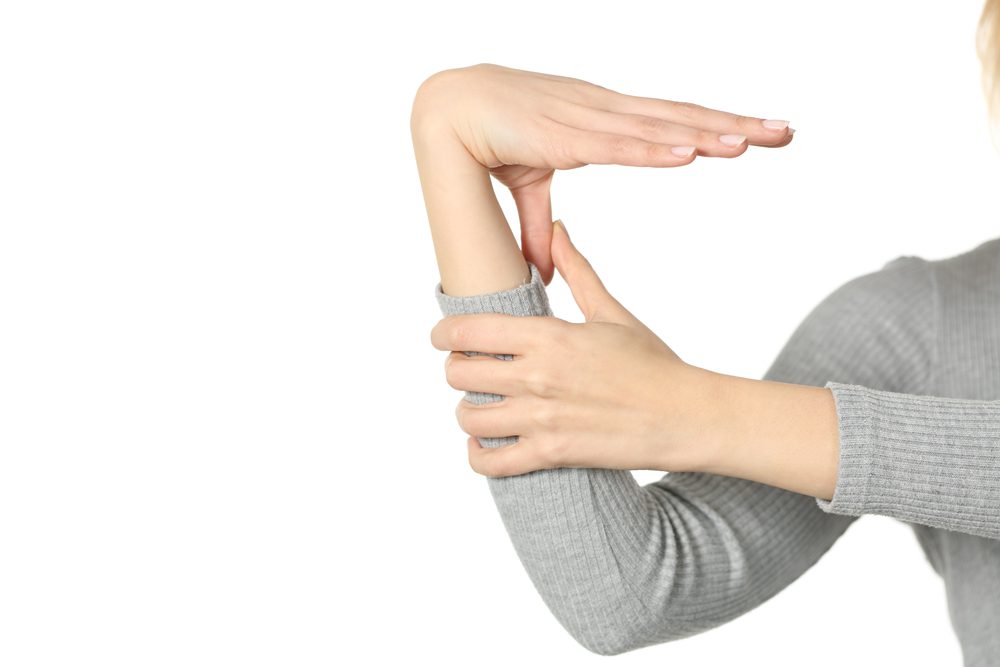
Overview Of Ehlers-Danlos Syndrome
Ehlers-Danlos syndrome (EDS) is a group of inherited disorders marked by extremely loose joints, very stretchy (hyperelastic) skin that bruises easily, and easily damaged blood vessels.
Causes Of Ehlers-Danlos Syndrome
There are six major types and at least five minor types of EDS.
A variety of gene changes (mutations) cause problems with collagen. This is the material that provides strength and structure to:
- Skin
- Bone
- Blood vessels
- Internal organs
- The abnormal collagen leads to the symptoms associated with EDS. In some forms of the syndrome, the rupture of internal organs or abnormal heart valves can occur.
Family history is a risk factor in some cases.
Symptoms
Symptoms of EDS include:
- Back pain
- Double-jointedness
- Easily damaged, bruised, and stretchy skin
- Easy scarring and poor wound healing
- Flat feet
- Increased joint mobility, joints popping, early arthritis
- Joint dislocation
- Joint pain
- Premature rupture of membranes during pregnancy
- Very soft and velvety skin
- Vision problems
Exams & Tests
Examination by a health care provider may show:
- The deformed surface of the eye (cornea)
- Excess joint looseness and joint hypermobility
- The Mitral valve in the heart does not close tightly (mitral valve prolapse)
- Gum infection (periodontitis)
- Rupture of intestines, uterus, or eyeball (seen only in vascular EDS, which is rare)
- Soft, thin, or very stretchy skin
Tests to diagnose EDS include:
- Collagen typing (performed on a skin biopsy sample)
- Collagen gene mutation testing
- Echocardiogram (heart ultrasound)
- Lysyl hydroxylase or oxidase activity (to check collagen formation)
Treatment Of Ehlers-Danlos Syndrome
There is no specific cure for EDS. Individual problems and symptoms are evaluated and cared for appropriately. Physical therapy or evaluation by a doctor specializing in rehabilitation medicine is often needed.
