


Overview Of Listeriosis
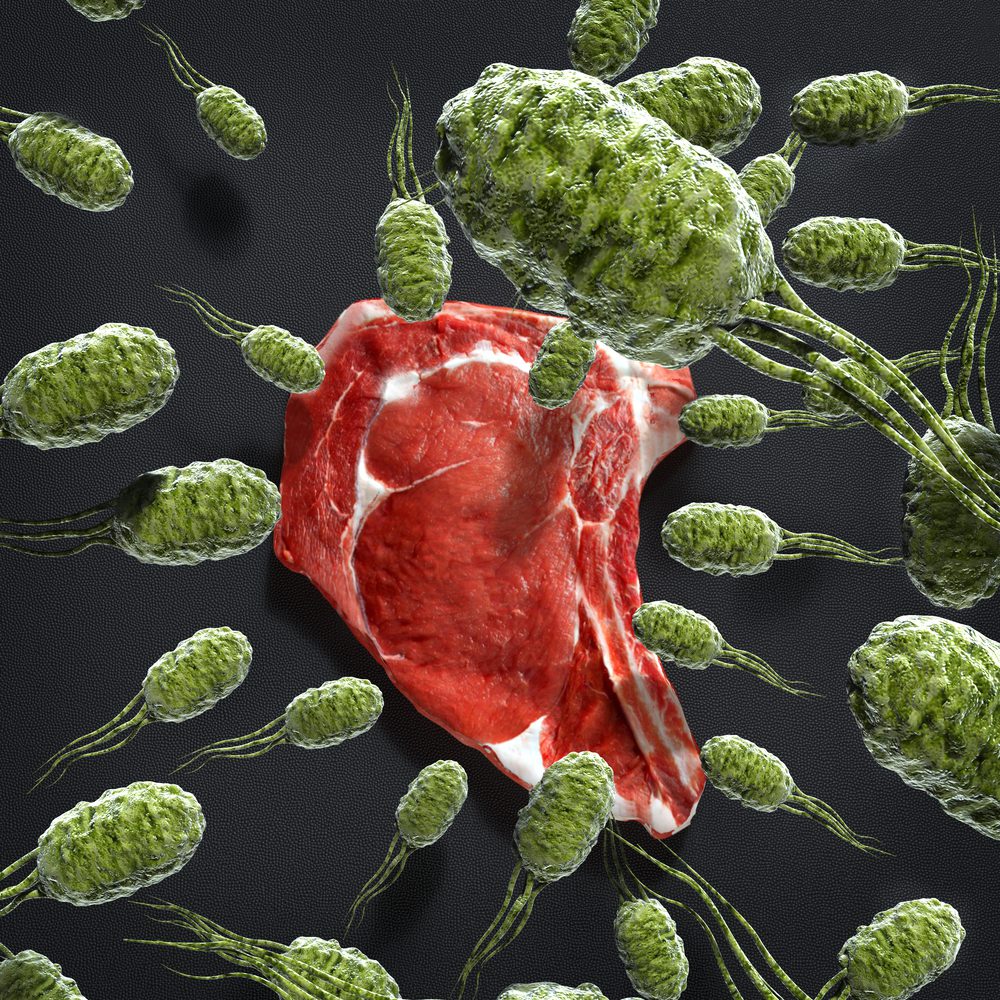
Listeriosis is an infection that can occur when a person eats food that has been contaminated with bacteria called Listeria monocytogenes (L monocytogenes).
Commonly Associated With
Listerial infection; Granulomatosis infantisepticum; Fetal listeriosis
Causes Of Listeriosis
The bacteria L monocytogenes is found in wild animals, domesticated animals, and in soil and water. These bacteria make many animals sick, leading to miscarriage and stillbirth in domestic animals.
Vegetables, meats, and other foods can get infected with the bacteria if they come in contact with contaminated soil or manure. Raw milk or products made from raw milk may carry these bacteria.
If you eat the contaminated products, you may get sick with listeriosis. The following people are at increased risk:
- Adults over age 50
- Adults with a weakened immune system
- Developing fetuses
- Newborns
- Pregnancy
- The bacteria most often cause a gastrointestinal illness. In some cases, you can develop a blood infection (septicemia) or inflammation of the covering of the brain (meningitis). Infants and children often have meningitis.
Infection in early pregnancy may cause a miscarriage. The bacteria may cross the placenta and infect the developing baby. Infections in late pregnancy may lead to stillbirth or death of the infant within a few hours of birth. About one-half of infants infected at or near birth will die.
In adults, listeriosis may take many forms, depending on what organ or organ systems are infected. It may occur as:
- Heart infection (endocarditis)
- Brain or spinal fluid infection (meningitis)
- Lung infection (pneumonia)
- Blood infection (septicemia)
- Gastrointestinal infection (gastroenteritis)
Or it may occur in a milder form as:
- Abscesses
- Conjunctivitis
- Skin lesion
Symptoms Of Listeriosis
In infants, symptoms of listeriosis may be seen in the first few days of life and may include:
- Loss of appetite
- Lethargy
- Jaundice
- Respiratory distress (usually pneumonia)
- Shock
- Skin rash
- Vomiting
Exams & Tests
Laboratory tests may be done to detect the bacteria in amniotic fluid, blood, feces, and urine. A spinal fluid (cerebrospnial fluid or CSF) culture will be performed if a spinal tap is performed.
Treatment Of Listeriosis
Antibiotics (including ampicillin or trimethoprim-sulfamethoxazole) are prescribed to kill the bacteria.
