


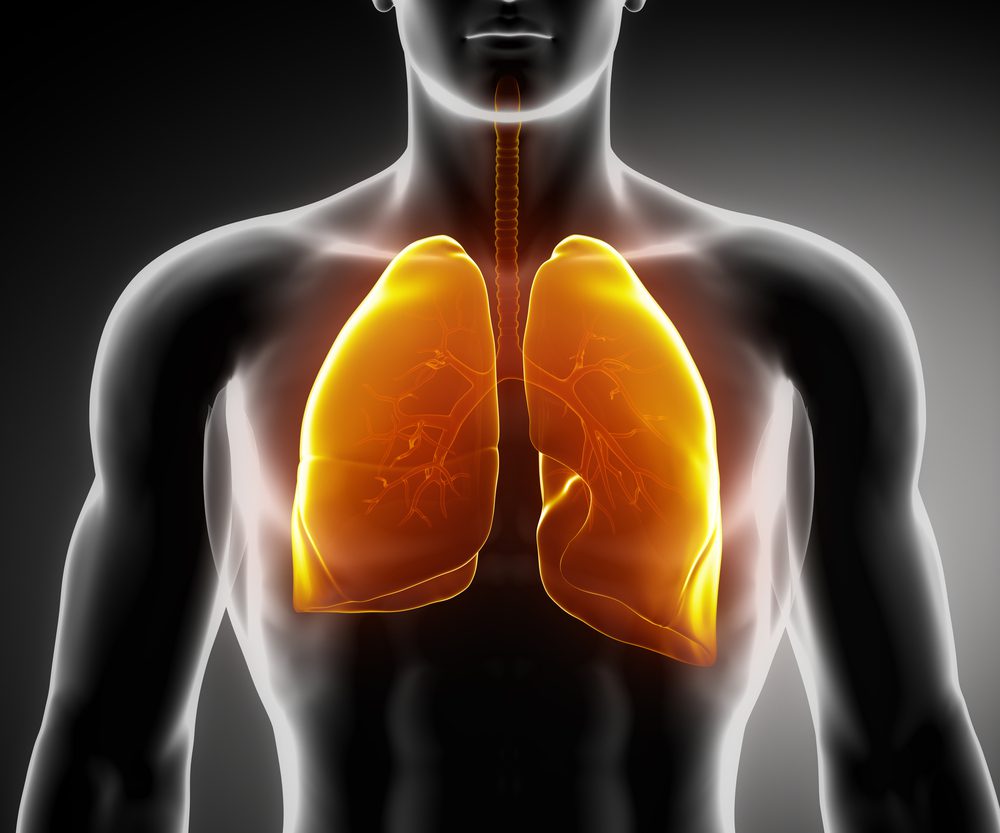
Overview Of Pleuritic Chest Pain
Pleuritic Chest Pain is synonymous with the term pleurisy. Pleurisy is an inflammation of the lining of the lungs and chest (the pleura) that leads to chest pain when you take a breath or cough.
Commonly Associated With
Pleuritis; Pleurisy
Causes Of Pleuritic Chest Pain
Pleurisy may develop when you have lung inflammation due to infection, such as a viral infection, pneumonia, or tuberculosis.
It may also occur with:
- Asbestos-related disease
- Certain cancers
- Chest trauma
- Blood clot (pulmonary embolus)
- Rheumatoid arthritis
- Lupus
Symptoms Of Pleuritic Chest Pain
The main symptom of pleurisy is a pain in the chest. This pain often occurs when you take a deep breath in or out or cough. Some people feel pain in the shoulder.
Deep breathing, coughing, and chest movement makes the pain worse.
Pleurisy can cause fluid to collect inside the chest. As a result, the following symptoms can occur:
- Coughing
- Shortness of breath
- Rapid breathing
- Pain with deep breaths
Exams & Tests
When you havepleurisy, the normally smooth surfaces lining the lung (the pleura) become rough. They rub together with each breath. This results in a rough, grating sound called a friction rub. Your health care provider can hear this sound with the stethoscope.
The provider may order the following tests:
- CBC
- X-ray of the chest
- CT scan of the chest
- Ultrasound of the chest
- Removal of pleural fluid with a needle (thoracentesis) for analysis
Treatment Of Pleuritic Chest Pain
Treatment depends on the cause of pleurisy. Bacterial infections are treated with antibiotics. Surgery may be needed to drain the infected fluid from the lungs. Viral infections normally run their course without medicines.
Taking acetaminophen or ibuprofen can help reduce pain.
