


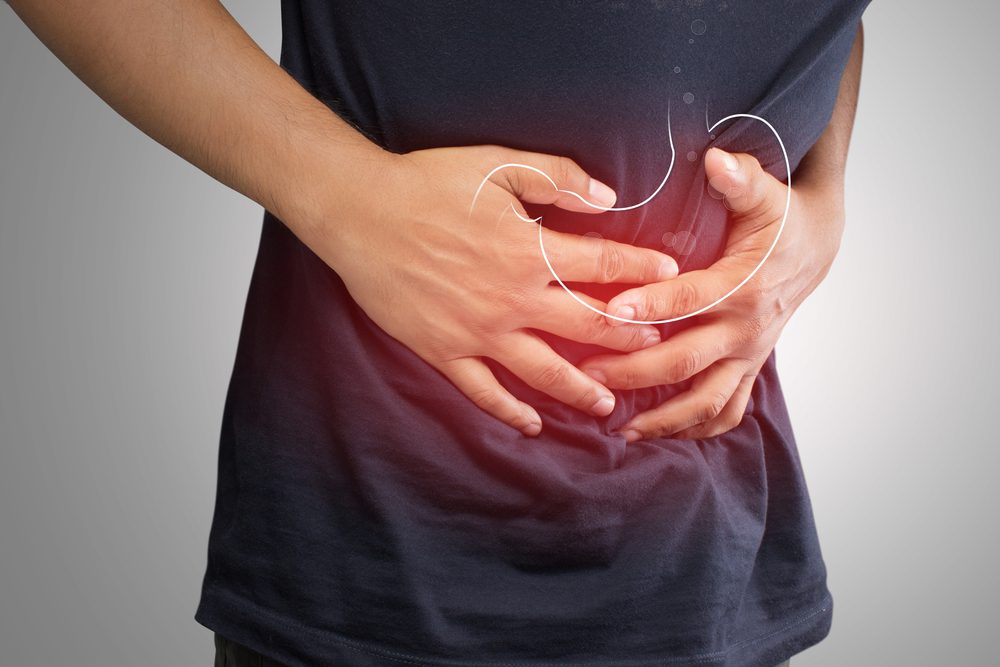
Overview Of Gastroparesis
Gastroparesis is a condition that reduces the ability of the stomach to empty its contents. It does not involve a blockage (obstruction).
Commonly Associated With
Gastroparesis diabeticorum; Delayed gastric emptying; Diabetes – delayed gastric emptying; Diabetic neuropathy – delayed gastric emptying
Causes Of Gastroparesis
The exact cause of this condition is unknown. It may be caused by a disruption of nerve signals to the stomach. The condition is a common complication of diabetes. It can also follow some surgeries.
Risk factors for gastroparesis include:
- Diabetes
- Gastrectomy (surgery to remove part of the stomach)
- Systemic sclerosis
- Use of medicine that blocks certain nerve signals (anticholinergic medicine)
Symptoms Of Gastroparesis
Symptoms may include:
- Abdominal distention
- Hypoglycemia (in people with diabetes)
- Nausea
- Premature abdominal fullness after meals
- Weight loss without trying
- Vomiting
- Abdominal pain
Exams & Tests
Tests you may need include:
- Esophagogastroduodenoscopy (EGD)
- Gastric emptying study (using isotope labeling)
- Upper GI series
Treatment Of Gastroparesis
People with diabetes should always control their blood sugar levels. Better control of blood sugar levels may improve symptoms of gastroparesis. Eating small and more frequent meals and soft foods may also help relieve some symptoms.
Medicines that may help include:
- Cholinergic drugs, which act on acetylcholine nerve receptors
- Erythromycin
- Metoclopramide, a medicine that helps empty the stomach
- Serotonin antagonist drugs, which act on serotonin receptors
Other treatments may include:
- Botulinum toxin (Botox) injected into the outlet of the stomach (pylorus)
- Surgical procedure that creates an opening between the stomach and small intestine to allow food to move through the digestive tract more easily (gastroenterostomy)
